samsung galaxy note 7 stands as a significant chapter in smartphone history, embodying both cutting-edge technology and a cautionary tale of innovation gone wrong. Launched with an ambitious design and advanced features, the Galaxy Note 7 was initially celebrated for its sleek aesthetics and powerful capabilities. However, this flagship device soon became infamous due to critical battery issues, leading to one of the most notable product recalls in tech history.
The Galaxy Note 7 was designed to push the limits of smartphone performance, introducing features such as an upgraded S Pen and enhanced camera capabilities. Despite its promising start and consumer enthusiasm, the device’s journey was tragically marred by safety concerns, ultimately reshaping not only Samsung’s brand image but also the entire smartphone industry.
History and Development of Samsung Galaxy Note 7
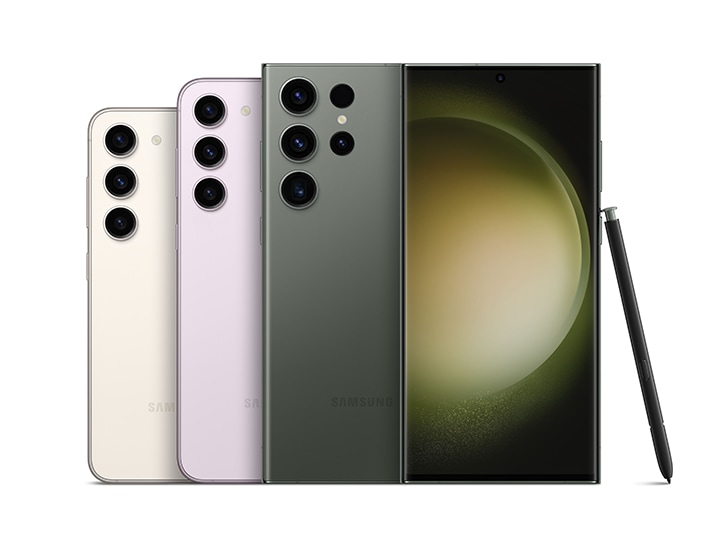
The Samsung Galaxy Note 7 represents a significant chapter in the evolution of smartphone technology, blending innovative design with powerful functionality. Launched in August 2016, this device was meant to build upon the strengths of its predecessors while introducing further advancements that appealed to a growing audience of power users and creatives alike.
The Galaxy Note 7 featured a sleek design characterized by its dual-edge curved display, which created an immersive viewing experience. This was a departure from its predecessors, showcasing Samsung’s commitment to aesthetics and usability. Moreover, the device integrated the S Pen stylus, allowing for advanced note-taking and creative tasks, further enhancing its appeal.
Design and Technological Innovations
The design and technological innovations of the Galaxy Note 7 were groundbreaking for its time. It introduced several key elements that set it apart from earlier models:
- Curved Display: The Note 7 featured a 5.7-inch Super AMOLED display with a dual-edge design, offering vibrant colors and deeper contrasts, enhancing the visual experience significantly.
- Water and Dust Resistance: The device was rated IP68, meaning it was resistant to dust and could withstand immersion in water up to 1.5 meters for 30 minutes, a feature that appealed to users seeking durability.
- Enhanced S Pen Features: The S Pen integrated with the Note 7 included advancements such as a finer tip and improved pressure sensitivity, along with functionalities like screen-off memo and translation features, making it a versatile tool for productivity and creativity.
- Security Features: The device introduced iris recognition technology, providing a secure and convenient way to unlock the phone and authenticate applications.
The Galaxy Note 7’s initial reception was overwhelmingly positive, with many praising its design and feature set. However, the launch was marred by safety concerns regarding battery malfunctions, which ultimately led to a recall and discontinuation of the device within months of its release.
Timeline of Release and Reception
The timeline of the Galaxy Note 7’s release and its subsequent reception highlights the rapid rise and fall of the device:
- August 2, 2016: The Galaxy Note 7 was officially unveiled during a Samsung Unpacked event in New York, showcasing its innovative features and design.
- August 19, 2016: The device became available for pre-order in select markets, receiving strong anticipation and pre-sales figures.
- September 2016: Initial reviews praised the Note 7’s capabilities, particularly its display and camera quality, making it one of the most highly rated smartphones of its time.
- September 2, 2016: Reports of battery issues began to surface, prompting Samsung to initiate a voluntary recall of the devices to ensure consumer safety.
- October 2016: After reports of continued incidents, Samsung ultimately discontinued the Galaxy Note 7, marking a significant setback for the brand.
The Galaxy Note 7 was distinguished from its predecessors by a combination of enhanced features and bold design choices. With the introduction of a dual-edge curved display and advanced S Pen capabilities, the device aimed to bridge the gap between smartphones and tablets, appealing to users who sought versatility and performance in one handset.
“The Galaxy Note 7 redefined the phablet experience, illustrating Samsung’s commitment to innovation and user-friendly design.”
Galaxy Note 7 Controversy and Recall
The Galaxy Note 7, a flagship smartphone from Samsung, was poised to set new standards in the mobile industry. However, it became embroiled in one of the most significant controversies in tech history due to severe battery issues that forced a massive recall. The subsequent fallout not only affected Samsung’s reputation but also sparked widespread discussions about consumer safety and corporate responsibility.
The Galaxy Note 7 faced critical safety concerns primarily due to battery malfunctions that resulted in devices overheating and, in some cases, catching fire. Investigations revealed that the root cause of these issues stemmed from manufacturing defects in the lithium-ion batteries. Samsung’s initial batch of batteries was produced by one supplier, which had flaws that led to short circuits. Following the recall of the first batch, a replacement program was initiated; however, the replacement devices, equipped with batteries from a different supplier, also reported similar problems. This led to a second, more extensive recall and the eventual discontinuation of the Galaxy Note 7.
Actions Taken by Samsung
In response to the safety crisis, Samsung implemented several decisive measures aimed at regaining consumer trust and ensuring product safety. These actions included:
- Immediate Recall: Samsung initiated a global recall of 2.5 million devices, which was one of the largest recalls in consumer electronics history.
- Battery Investigation: The company enlisted independent experts to conduct a thorough investigation into the battery failures, ensuring transparency in their findings.
- Enhanced Safety Standards: Samsung introduced an 8-point battery safety check, which included rigorous testing protocols to prevent future incidents.
- Consumer Compensation: Customers who returned their Galaxy Note 7 were offered refunds or exchanges for other Samsung products as a gesture of goodwill.
- Public Communication: Samsung engaged in extensive public relations efforts to communicate safety measures and updates regarding the recall to maintain consumer awareness.
The consumer response to the Galaxy Note 7 recall was notable and significantly impacted public perception of Samsung. Unlike other tech product recalls, such as the infamous Toyota Prius hybrid vehicles or the MacBook Pro battery issues, the Note 7 incident was characterized by immediate and widespread outrage among consumers. This situation was exacerbated by viral social media reports and news coverage of incidents involving exploding devices. Samsung’s proactive approach in addressing safety concerns was generally well-received; however, the damage to its brand image lingered, leading to a decline in consumer confidence that took years to rebuild.
The Galaxy Note 7 recall serves as a pivotal case study in crisis management, highlighting the importance of consumer safety and the far-reaching implications of product failures in the tech industry.
Impact on Samsung’s Brand and Market Position
The Galaxy Note 7 incident marked a pivotal moment in Samsung’s history, significantly affecting its brand reputation and standing in the competitive smartphone market. The repercussions of the recall transcended immediate financial losses, leading to a deeper analysis of consumer trust and corporate practices within the tech sector. Understanding the long-term effects of this crisis is crucial for comprehending Samsung’s current market dynamics and corporate strategies.
The Galaxy Note 7 recall had a profound impact on Samsung’s reputation, reshaping consumer perceptions and brand loyalty. Initially celebrated for innovation and high-quality products, Samsung faced intense scrutiny following the charging issues and subsequent fires linked to the Note 7. Consumers expressed their disappointment, leading to a public relations crisis that challenged the brand’s reliability.
Long-term Effects on Reputation
The long-term effects on Samsung’s reputation can be summarized through several critical points:
- Loss of Consumer Trust: The rapid recall of the Galaxy Note 7 led to a significant erosion of consumer trust, with many users questioning the safety and reliability of Samsung products.
- Brand Image Damage: Samsung’s image as a leader in smartphone innovation suffered as negative media coverage dominated headlines, overshadowing other product developments.
- Increased Scrutiny: The incident prompted heightened scrutiny from regulators and safety organizations, urging Samsung and others in the industry to prioritize safety measures in product design and manufacturing.
The Galaxy Note 7 incident also had a direct impact on Samsung’s market share in the smartphone industry. The recall and cessation of sales created a vacuum that competitors like Apple and Huawei capitalized on.
Effects on Market Share
The effects of the Galaxy Note 7 on Samsung’s market share were significant, leading to a noticeable decline during the recall period. Key factors include:
- Sales Decline: Samsung estimated that the recall and stoppage of Note 7 sales cost the company an estimated $5 billion in operational profit in the third quarter of 2016.
- Market Position Shift: The immediate aftermath of the recall saw competitors gain ground, with Apple reporting increased sales in the same period, thereby expanding its market share.
- Consumer Reluctance: Many potential buyers turned to rival brands, leading to a decline in Samsung’s overall smartphone sales, as consumers sought alternatives perceived as safer.
In the wake of the Galaxy Note 7 crisis, Samsung implemented several strategic measures aimed at rebuilding consumer trust and restoring its brand image.
Measures to Rebuild Consumer Trust
Samsung’s actions to regain consumer confidence involved comprehensive changes in its operational and safety protocols:
- Enhanced Safety Protocols: Samsung established stricter quality control and safety measures in its manufacturing processes, aiming to prevent future incidents.
- Transparent Communication: The company prioritized transparency, providing regular updates to consumers regarding safety measures and product assurances.
- Customer Engagement: Samsung launched initiatives to engage with consumers through feedback channels, offering incentives for customers to share their experiences and concerns.
- Innovation Focus: To shift attention from the recall, Samsung invested in research and development for future products, emphasizing advancements in technology and safety features.
Through these actions, Samsung sought to not only mitigate the impact of the Note 7 incident but also to strengthen its commitment to safety and consumer satisfaction in the long run.
Legacy and Lessons Learned from the Galaxy Note 7
The Galaxy Note 7, despite its troubled history, has left an indelible mark on the smartphone industry. The device’s infamous battery issues not only prompted a massive recall but also initiated significant changes in design and safety protocols across the tech landscape. The lessons learned from this incident continue to shape how smartphones are developed and manufactured today.
The fallout from the Galaxy Note 7 incident prompted an industry-wide reassessment of battery safety and quality assurance processes. Following extensive investigations into the device’s battery failures, manufacturers recognized the urgent need for enhanced safety measures. One significant outcome was the establishment of more rigorous testing protocols for lithium-ion batteries, ensuring they meet stringent safety standards before reaching consumers. This shift has led to innovations in battery technology, with companies investing in better materials and designs to minimize risks.
Industry Changes in Response to the Galaxy Note 7 Issues
The Galaxy Note 7 debacle catalyzed a wave of changes within the smartphone industry, particularly in the realm of battery safety and product testing. Notable changes include:
- Implementation of Enhanced Battery Testing: Major manufacturers, including Apple and Huawei, adopted comprehensive testing regimes that include multiple safety checks under various conditions to prevent future battery failures.
- Increased Transparency in Product Design: Companies like LG and Xiaomi have begun to openly share their battery testing results and safety protocols, building consumer trust through transparency.
- Regulatory Changes: International safety organizations have strengthened guidelines for lithium-ion battery manufacturing, pushing companies to comply with updated safety standards.
- Investment in Alternative Technologies: There has been a marked increase in research and development of solid-state batteries, which promise improved safety and longevity compared to traditional lithium-ion batteries.
To further ensure product safety moving forward, smartphone manufacturers can adopt a set of best practices. These measures not only safeguard consumer interests but also enhance brand reputation through proactive risk management.
Best Practices for Ensuring Product Safety, Samsung galaxy note 7
The following best practices can serve as a benchmark for smartphone manufacturers to maintain high safety standards:
- Conduct Comprehensive Pre-Production Testing: Implement rigorous testing protocols that simulate real-world usage scenarios to identify potential risks before product launch.
- Prioritize Quality Materials: Use high-grade components that are less prone to failure, particularly in critical areas like batteries and circuit boards.
- Foster a Culture of Safety: Cultivate an organizational ethos that prioritizes safety at all levels, encouraging employees to report potential risks without fear of repercussions.
- Engage in Third-Party Audits: Regularly invite independent safety experts to review production processes and provide objective assessments of product safety.
- Implement Clear Communication Channels: Establish protocols for transparent communication with consumers regarding safety issues, recalls, and product updates to maintain trust in the brand.
“The Galaxy Note 7’s legacy serves as a vital reminder of the importance of safety in technology, reshaping how the industry approaches product design and consumer trust.”
Common Queries: Samsung Galaxy Note 7
What were the key features of the samsung galaxy note 7?
The Samsung Galaxy Note 7 boasted features like a 5.7-inch Quad HD display, an enhanced S Pen, waterproof design, and a dual-pixel camera.
How did the recall of the galaxy note 7 affect Samsung’s stock?
The recall had a negative impact on Samsung’s stock prices, resulting in a significant loss of market value during the crisis.
What steps did Samsung take to ensure product safety after the recall?
Samsung implemented improved battery safety measures, including stricter quality control processes and a comprehensive battery testing program.
Why is the galaxy note 7 considered a turning point for smartphone safety?
The Galaxy Note 7 incident prompted the entire industry to reassess safety standards and testing protocols, leading to more rigorous practices across manufacturers.
Did Samsung’s reputation recover after the galaxy note 7 incident?
Yes, over time Samsung successfully rebuilt its reputation through transparency, innovative products, and enhanced safety measures.
The Galaxy Note 2 remains a classic in the smartphone world. Its large display and stylus functionality made it a trendsetter for phablets, combining productivity and entertainment seamlessly. Users still appreciate its unique features, despite the rapid evolution of technology.
Another exciting entry in the smartphone arena is the Samsung Galaxy F. This device caters to budget-conscious consumers looking for quality performance without breaking the bank. With its impressive camera and sleek design, it proves that affordability doesn’t have to compromise on style and functionality.