samsung galaxy s 4 sets the stage for this enthralling narrative, offering readers a glimpse into a story that is rich in detail and brimming with originality from the outset. With its cutting-edge features and standout specifications, the Galaxy S4 has carved out a significant niche in the smartphone market. From its impressive camera capabilities to its innovative software enhancements, this device has established itself as a formidable competitor among its peers, making it a compelling choice for tech enthusiasts and everyday users alike.
The Galaxy S4 not only builds upon the successes of its predecessor, the Galaxy S3, but also introduces a host of advancements that elevate the user experience. By comparing its performance against competitors from Apple and Google, we gain insight into the Galaxy S4’s strategic positioning during its launch, illustrating its relevance in a fiercely contested landscape. User feedback further highlights the device’s strengths and areas for improvement, shaping the narrative of this influential smartphone.
Features of Samsung Galaxy S4: Samsung Galaxy S 4
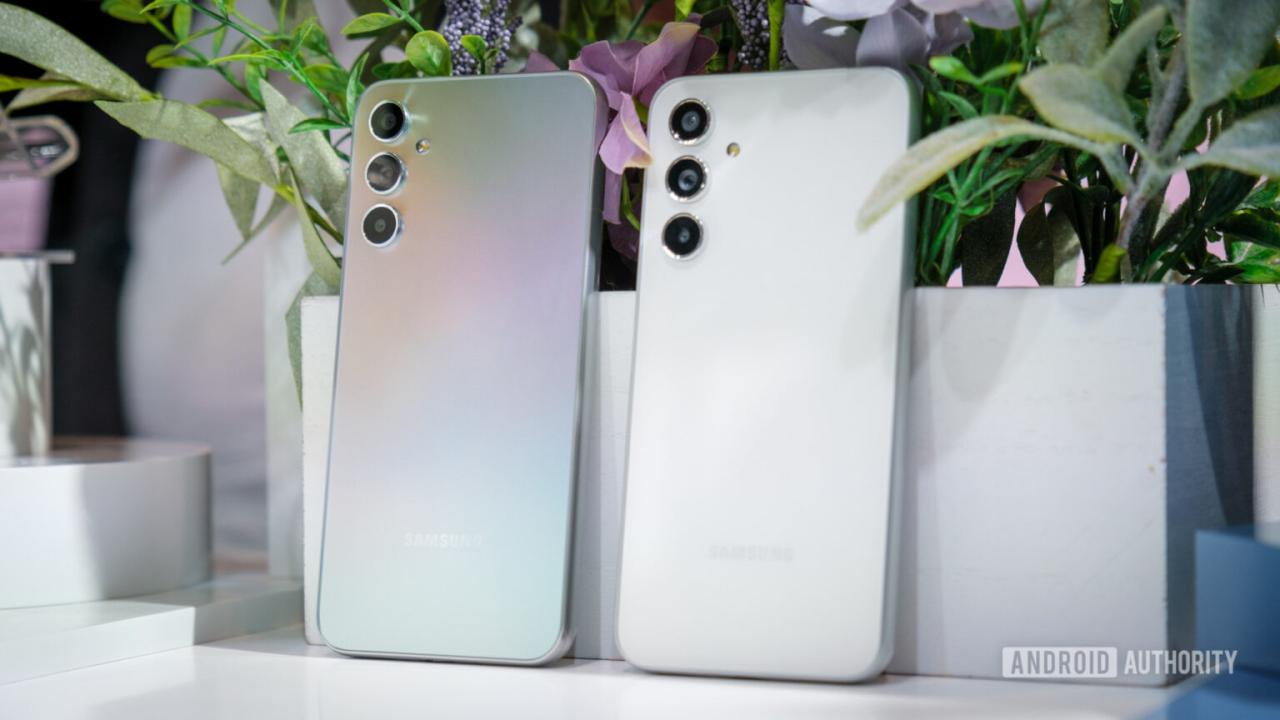
The Samsung Galaxy S4 stands out in the crowded smartphone market due to its impressive set of features and specifications. Launched in 2013, it brought a host of innovations that appealed to tech enthusiasts and everyday users alike. From its sleek design to its powerful performance, the Galaxy S4 was built to cater to various user needs.
One of the key highlights of the Galaxy S4 is its display. It features a 5-inch Super AMOLED screen with a resolution of 1920 x 1080 pixels, offering vibrant colors and deep contrasts. Powered by either a Qualcomm Snapdragon 600 or an Exynos 5 Octa processor, the device ensures smooth multitasking and rapid app performance. The phone is available in configurations of 2GB RAM and storage options ranging from 16GB to 64GB, expandable via microSD up to 64GB.
Camera Capabilities and Software Enhancements
The camera capabilities of the Samsung Galaxy S4 are among its most remarkable features, setting it apart from competitors in its class. The device boasts a 13-megapixel rear camera and a 2-megapixel front camera. Both cameras come equipped with a variety of software enhancements that elevate the photography experience.
The rear camera’s standout features include:
- Dual Shot: This unique mode allows users to capture photos from both the front and rear cameras simultaneously, merging them into a single image. This feature encourages creative self-portraits and fun group shots.
- Drama Shot: This mode enables users to take multiple photos in quick succession, allowing them to create a dynamic image that showcases motion within a single frame.
- Sound & Shot: When activated, this feature captures audio along with the photo, allowing users to preserve the moment’s atmosphere and context.
The Galaxy S4’s camera also benefits from advanced image processing capabilities, including improved low-light performance and the ability to shoot 1080p video at 30 frames per second. Users can also take advantage of features like Smart Pause, which pauses video playback when the user looks away from the screen, enhancing user interaction.
“With its innovative camera features, the Samsung Galaxy S4 transformed mobile photography, making it accessible and enjoyable for everyone.”
In summary, the Samsung Galaxy S4 offers a blend of robust specifications and unique features, particularly in its camera technology, making it a noteworthy contender in the smartphone market.
Comparison with Other Smartphones
The Samsung Galaxy S4 emerged as a significant upgrade from its predecessor, the Galaxy S3, and entered a competitive smartphone market dominated by key players such as Apple and Google. This comparison highlights the advancements in performance and features of the Galaxy S4 as well as its market positioning at the time of launch.
Comparison with Galaxy S3
The Samsung Galaxy S4 introduced several enhancements over the Galaxy S3, particularly in terms of performance, display, and user experience. The Galaxy S4 was powered by the Exynos 5 Octa or Qualcomm Snapdragon 600 chipset, providing a noticeable increase in processing power compared to the Galaxy S3’s Exynos 4412. This allowed for smoother multitasking and faster application launches.
In addition to performance improvements, the Galaxy S4 featured a larger 5-inch Full HD Super AMOLED display with a resolution of 1920 x 1080 pixels, offering vibrant colors and better viewing angles compared to the Galaxy S3’s 4.8-inch HD display. The introduction of features like Smart Scroll and Smart Pause showcased Samsung’s focus on enhancing user interaction through innovative technology.
The following points illustrate the key differences between the two models:
- Processor: Galaxy S4 – Exynos 5 Octa/Snapdragon 600; Galaxy S3 – Exynos 4412
- Display: Galaxy S4 – 5-inch Full HD Super AMOLED; Galaxy S3 – 4.8-inch HD Super AMOLED
- Camera: Galaxy S4 – 13 MP rear camera with advanced features; Galaxy S3 – 8 MP rear camera
- Software: Galaxy S4 – Android 4.2.2 Jelly Bean; Galaxy S3 – Android 4.0 Ice Cream Sandwich (upgradable)
“With each iteration, Samsung not only enhances performance but also refines the user experience, setting a new benchmark in the smartphone market.”
Comparison with Competitors
When placed alongside competitors from Apple and Google, the Galaxy S4 stood strong due to its feature-rich design and performance. The iPhone 5, released around the same period, offered a premium build and a smooth iOS experience but lacked the customization and feature set found in the Galaxy S4. The iPhone’s camera was praised for its quality, but the Galaxy S4 provided a more versatile photographic experience with its dual-camera features and software enhancements like Drama Shot.
Similarly, comparing the Galaxy S4 to Google’s Nexus 4, the S4 outperformed in processing speeds and camera capabilities. While the Nexus 4 provided a pure Android experience and often received software updates faster, the Galaxy S4’s TouchWiz interface offered a broader range of features and a more vibrant display.
The following aspects highlight the competitive landscape at the time of the Galaxy S4’s launch:
- Performance: Galaxy S4 – faster and more efficient; iPhone 5 – optimized for iOS; Nexus 4 – pure Android experience but slower.
- Camera Features: Galaxy S4 – 13 MP with dual-shot capabilities; iPhone 5 – 8 MP with excellent image processing; Nexus 4 – 8 MP but limited features.
- Display: Galaxy S4 – 5-inch Full HD; iPhone 5 – 4-inch Retina display; Nexus 4 – 4.7-inch HD.
“The Galaxy S4 not only aimed to outperform its predecessor but also to assert dominance against some of the best smartphones available at its launch.”
Market Positioning at Launch
Upon its launch in April 2013, the Galaxy S4 was positioned as a flagship device, targeting tech enthusiasts and everyday consumers alike. Samsung’s aggressive marketing strategy showcased the phone’s advanced features and capabilities, emphasizing how it could enhance daily life through its innovative technology.
The Galaxy S4’s pricing strategy was competitive, as it was priced similarly to the iPhone 5 and Nexus 4, providing consumers with a feature-rich alternative in the high-end smartphone market. Samsung also leveraged its existing customer base from the Galaxy S3, encouraging upgrades while attracting new users seeking state-of-the-art technology.
Key elements of the Galaxy S4’s market positioning include:
- Price Point: Competitive with flagship devices, aiming to attract a broad audience.
- Promotional Strategies: High-profile advertisements and partnerships to enhance visibility.
- Feature Emphasis: Focus on innovative features, superior display quality, and versatile camera options to differentiate from competitors.
“Samsung’s strategic positioning of the Galaxy S4 not only reinforced its brand but also captured market share in a rapidly evolving smartphone landscape.”
User Experience and Reviews
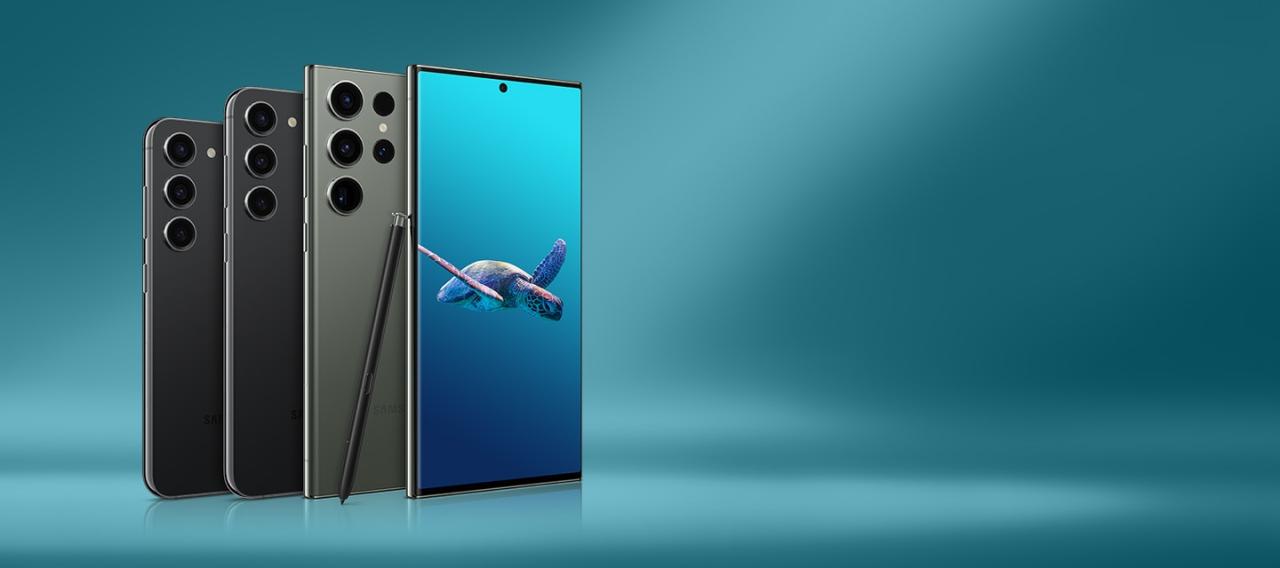
The Samsung Galaxy S4 has cultivated a diverse range of user experiences and feedback since its release. This device is often praised for its innovative features and user-centric design, yet it has also faced criticism in certain areas. Understanding these perspectives is essential for gauging customer satisfaction and determining the overall success of the smartphone in the competitive market.
The user interface of the Samsung Galaxy S4 plays a critical role in shaping the overall user experience. Built on Android with Samsung’s TouchWiz overlay, it offers a wealth of customization options that appeal to many users. However, the interface has also drawn mixed reviews regarding its performance and aesthetic appeal.
User Testimonials
User testimonials highlight both the strengths and weaknesses of the Samsung Galaxy S4. Many users commend the device for its vibrant display and overall performance. Here are some notable praises:
-
“The Super AMOLED display on the S4 is stunning! Watching videos is a treat!”
-
“The camera quality is exceptional, capturing great photos even in low light.”
-
“The battery life lasts longer than I expected, even with heavy usage.”
Conversely, there are also common complaints that users have noted. These issues often pertain to usability and performance under certain conditions:
-
“I experienced frequent lag when running multiple apps at the same time.”
-
“The TouchWiz interface feels cluttered and can be overwhelming for new users.”
-
“After a few months, the device started to slow down significantly.”
The balance between praise and criticism illustrates the varied experiences users have had with the S4, often influenced heavily by individual expectations and usage patterns.
Impact of User Interface on Customer Satisfaction, Samsung galaxy s 4
The user interface and overall experience of the Galaxy S4 significantly impact customer satisfaction levels. The TouchWiz overlay, while feature-rich, has been a point of contention among users. Although many appreciate the enhancements, others find it unnecessarily complicated.
The most significant aspects of user interface satisfaction include:
- Customization Options: Users value the ability to personalize their devices, which enhances their overall satisfaction.
- Ease of Use: A clean and intuitive user interface is essential; however, some users feel that the S4’s interface is overly complicated.
- Responsive Performance: Users expect a smooth experience, which can sometimes be compromised by software bloat or performance hiccups.
In conclusion, while the Samsung Galaxy S4 has received high marks for its display and camera capabilities, user experiences vary widely. These reviews reflect the critical role of user interface in shaping perceptions and satisfaction, ultimately influencing the device’s longevity in a competitive smartphone market.
Software and Updates
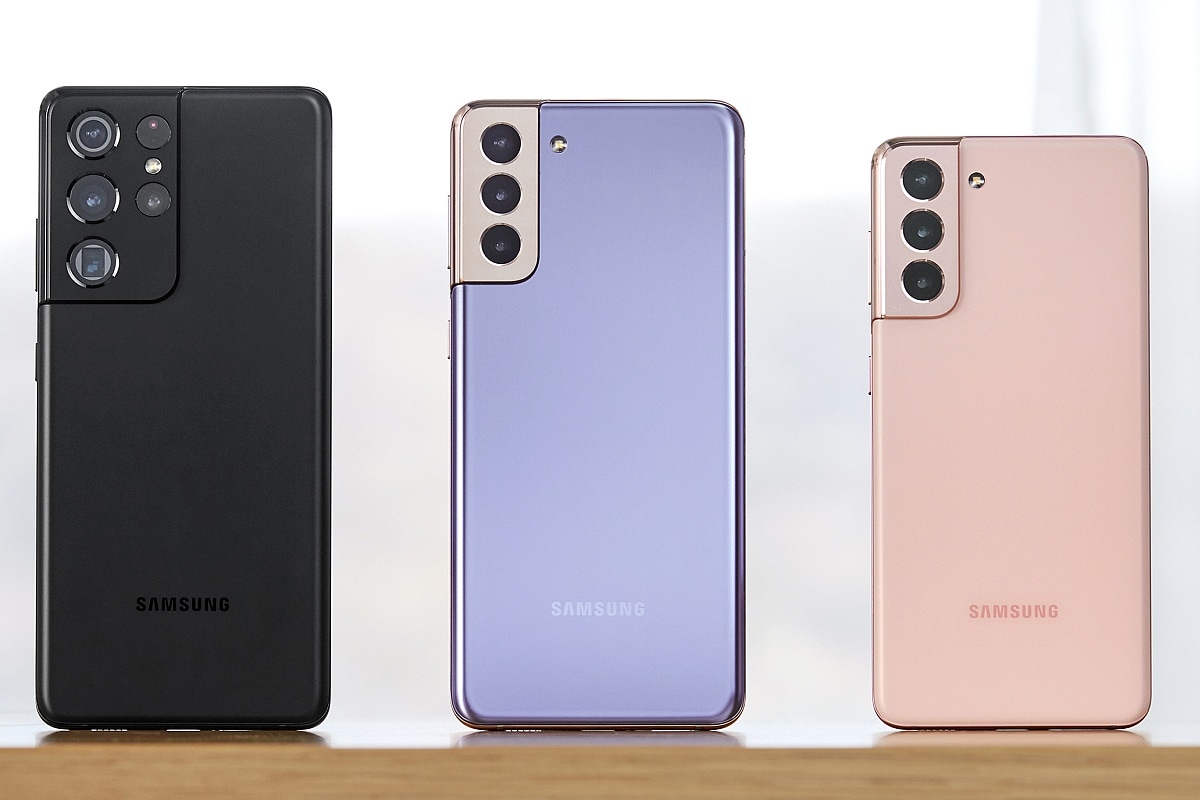
The Samsung Galaxy S4 debuted with a unique blend of hardware and software that contributed to its popularity. Running on Android 4.2.2 Jelly Bean out of the box, the device showcased Samsung’s TouchWiz interface, which provided a colorful and user-friendly experience enriched with various features. The software not only enhanced the device’s usability but also set the stage for subsequent updates that would improve functionality and security.
The significance of software updates for the Samsung Galaxy S4 cannot be understated. Regular updates not only address bugs and security vulnerabilities but also introduce new features that enhance user experience. These updates can lead to improved battery performance, better app compatibility, and overall smoother operation of the device. For instance, later updates brought enhancements like Project Butter, which improved the responsiveness of the interface, and camera improvements that refined image quality.
Custom ROMs and Modifications
For advanced users looking to push the boundaries of their Samsung Galaxy S4, custom ROMs and modifications offer extensive possibilities. These alternatives to the stock firmware allow users to experience a range of features and interfaces not available through official updates. Custom ROMs can also extend the lifespan of the device by providing newer Android versions, often with significant performance improvements and additional features.
A few notable custom ROMs include:
- CyanogenMod: Known for its stability and customization options, this ROM provides a near-stock Android experience with additional functionalities.
- LineageOS: The successor to CyanogenMod, LineageOS offers a plethora of customization options, regular updates, and a focus on community-driven development.
- Resurrection Remix: This ROM combines features from several other ROMs, providing a rich and customizable user experience.
These custom ROMs require users to unlock their bootloader and typically install a custom recovery, enabling them to flash the ROMs onto their devices. While this process can enhance the functionality of the Galaxy S4, it does require a certain level of technical expertise and carries the risk of voiding warranties or bricking the device.
In summary, the software ecosystem surrounding the Samsung Galaxy S4 plays a crucial role in the device’s performance and user satisfaction. Whether through official updates or custom modifications, the software experience significantly impacts how users interact with their smartphones.
Question & Answer Hub
What are the standout features of the Samsung Galaxy S4?
The Samsung Galaxy S4 features a Super AMOLED display, advanced camera capabilities, and smart software enhancements like Air Gesture.
How does the Galaxy S4 compare to the Galaxy S3?
The Galaxy S4 offers improved processing power, better camera quality, and new features like Smart Scroll compared to the Galaxy S3.
What is the operating system of the Samsung Galaxy S4?
The Samsung Galaxy S4 originally came with Android 4.2.2 Jelly Bean, with updates available to later versions.
Are there custom ROMs available for the Galaxy S4?
Yes, there are various custom ROMs available for advanced users looking to modify their Galaxy S4.
What are users saying about the Galaxy S4?
User reviews often praise its camera performance and display quality while noting battery life as a common concern.
The Galaxy Note 2 remains a fond memory for many tech enthusiasts, showcasing Samsung’s innovation in the smartphone landscape. With its large display and S Pen functionality, it paved the way for devices that prioritize productivity on the go. Even as newer models emerge, its impact on mobile technology is undeniable, making it a classic in the realm of smartphones.
When discussing modern smartphones, the Samsung S 10 stands out with its impressive features and sleek design. It offers a stunning display, powerful performance, and a versatile camera system that caters to both casual users and photography enthusiasts. This device showcases Samsung’s commitment to excellence, setting a benchmark for what a flagship smartphone should be.