samsung galaxy s ii stands as a cornerstone in the evolution of smartphones, revolutionizing the way we interact with technology. With its sleek design and powerful features, it captured the hearts of consumers and set new standards for mobile devices. This innovative model not only showcased Samsung’s engineering prowess but also laid the groundwork for future advancements in the Galaxy series.
This smartphone introduced cutting-edge specifications that were groundbreaking at the time, including a vibrant Super AMOLED display, a dual-core processor, and a robust camera system. Its user-friendly interface and impressive performance made it a favorite among tech enthusiasts and casual users alike, allowing it to flourish in a competitive market.
Overview of Samsung Galaxy S II

The Samsung Galaxy S II, launched in 2011, marked a turning point in the smartphone market, establishing Samsung as a formidable player against competitors like Apple and HTC. Renowned for its innovative features and sleek design, the Galaxy S II garnered widespread acclaim and set a new benchmark for mobile technology, making it a significant milestone in the evolution of smartphones.
The Samsung Galaxy S II features a vibrant 4.3-inch Super AMOLED Plus display, providing brilliant colors and deep contrasts that enhance visual experiences. Powered by a dual-core 1.2 GHz processor and equipped with 1 GB of RAM, the device offers remarkable performance for multitasking and running demanding applications. It sports an 8-megapixel rear camera capable of 1080p video recording, alongside a 2-megapixel front-facing camera. The Galaxy S II also supports various connectivity options, including Wi-Fi, Bluetooth 3.0, and NFC, making it versatile for a range of user needs. With its lightweight design at just 116 grams, it was one of the most portable smartphones of its time.
Key Features and Specifications
The Galaxy S II introduced several key features that would become staples in subsequent smartphone models.
- Display: The 4.3-inch Super AMOLED Plus display offers a resolution of 800 x 480 pixels, providing vibrant visuals and excellent outdoor visibility.
- Processor: The device is powered by a Samsung Exynos 4210 dual-core processor, enhancing performance and efficiency.
- Camera: It features an 8 MP rear camera with an LED flash and capabilities for 1080p video recording, while the 2 MP front camera serves well for video calls.
- Battery: A 1650 mAh battery ensures decent battery life, supporting active use throughout the day.
- Operating System: Originally shipped with Android 2.3 Gingerbread, it soon became eligible for upgrades to later versions of Android.
- Storage: The device offers 16 GB of internal storage, expandable via a microSD card, catering to diverse user needs.
The significance of these features lies not only in their immediate impact but also in how they influenced future generations of smartphones. Samsung’s focus on high-quality displays and cameras set a standard that competitors have strived to meet.
Evolution of the Galaxy S Series
The Galaxy S series has evolved significantly since its inception, with each new installment building on the successes and lessons learned from its predecessors.
- Galaxy S (2010): The first model introduced the concept of premium smartphones with a large screen and solid performance.
- Galaxy S II (2011): This model further refined the design and functionality, combining a lightweight frame with powerful hardware.
- Galaxy S III (2012): Introduced features like Smart Stay and a more sophisticated camera, enhancing user experience and engagement.
- Galaxy S IV (2013): Brought in advanced software features like Air Gesture and enhanced camera capabilities, pushing the boundaries of smartphone technology.
- Galaxy S V (2014): Focused on health and fitness with the introduction of a heart rate monitor and water-resistant design.
The Galaxy S series has continually adapted to the changing landscape of consumer technology, embracing innovations in display technology, processing power, and user interface, allowing it to maintain a leading position in the competitive smartphone market. The Galaxy S II, as a pivotal model in this evolution, helped shape the future of mobile devices, influencing not just Samsung’s designs but also setting trends followed by the entire industry.
User Experience and Interface: Samsung Galaxy S Ii
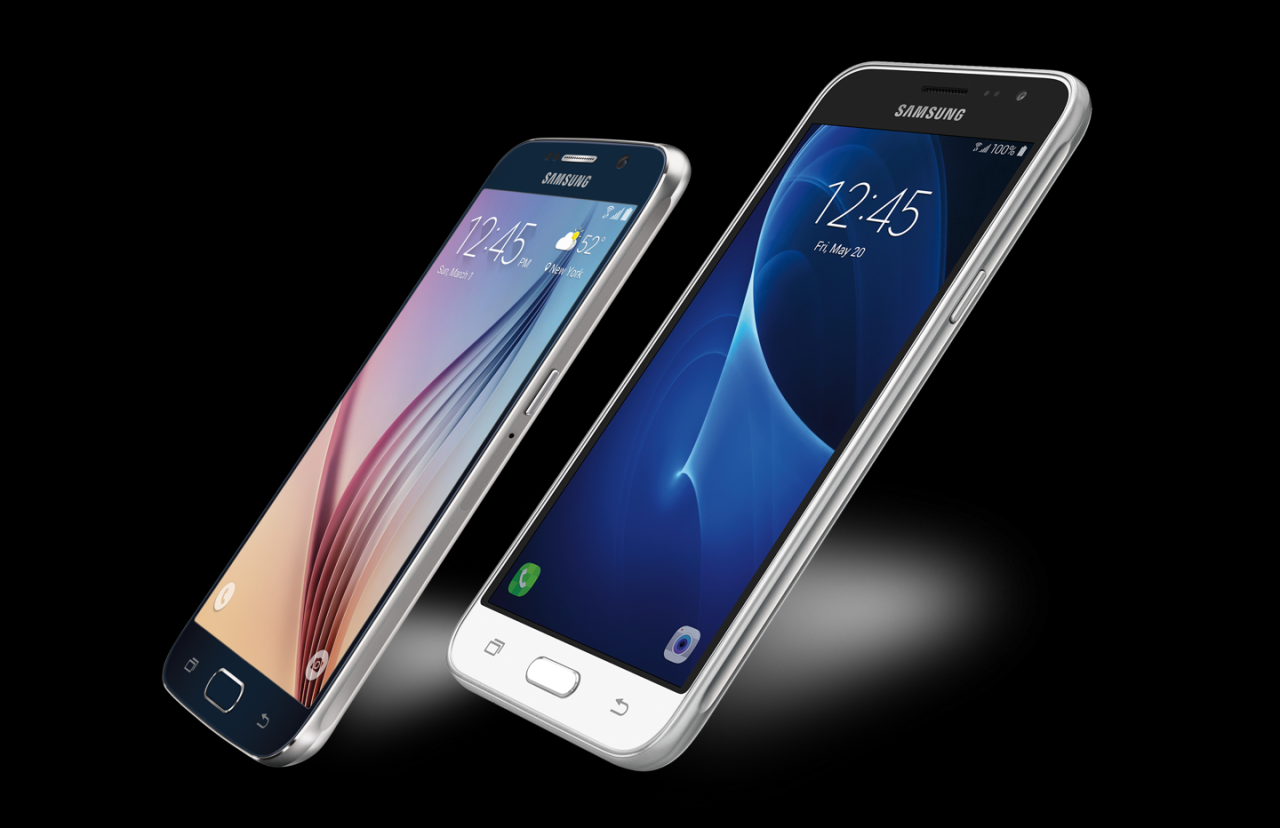
The Samsung Galaxy S II was designed to offer a seamless user experience paired with an intuitive interface. With its Super AMOLED Plus display and TouchWiz UI, users were presented with vibrant visuals and a highly responsive touch experience. This combination made it stand out among smartphones available at the time.
The performance of the Galaxy S II in real-world scenarios was impressive, given its hardware specifications, including a dual-core processor and ample RAM. Users enjoyed smooth multitasking abilities and the capability to run demanding applications without significant lag. This made the device a favorite among tech enthusiasts and everyday users alike.
User Interface and Usability
Samsung’s TouchWiz interface on the Galaxy S II enhanced overall usability, featuring customizable home screens, widgets, and intuitive navigation. Users could easily rearrange apps and incorporate widgets for quick access to information, allowing for a personalized experience. The device also supported various themes and wallpapers, enabling further customization.
The user interface was tailored to be user-friendly, accommodating both tech-savvy individuals and those less familiar with smartphones. The accessibility of features such as notifications and quick settings made it easy for users to interact with their device efficiently.
Real-World Performance
Real-world usage of the Galaxy S II demonstrated its capability to handle various tasks seamlessly. Users reported smooth transitions between applications, and gaming performance was notably strong, allowing for a rich gaming experience without frame drops or stuttering.
Whether browsing the web, streaming videos, or using social media applications, the Galaxy S II maintained a high standard of performance. Battery life also played a critical role; many users noted that with moderate use, the device could last a full day, which was a significant advantage over competitors.
Comparison with Competitors, Samsung galaxy s ii
When released, the Samsung Galaxy S II faced stiff competition from devices like the HTC Sensation and the Apple iPhone 4S. In terms of interface, the Galaxy S II’s TouchWiz offered more customization options compared to HTC’s Sense UI, which was more rigid in its layout. Apple’s iOS, while known for its simplicity, lacked the flexibility that many Android users sought.
Furthermore, in performance benchmarks, the Samsung Galaxy S II consistently outperformed its competitors, particularly with its dual-core processor that provided faster processing speeds. Users appreciated the balance of performance and interface that the Galaxy S II provided, making it a top choice during its launch period.
“The Samsung Galaxy S II transformed the landscape of smartphones with its user-friendly interface and robust performance, setting a benchmark for future devices.”
Technical Specifications and Performance
The Samsung Galaxy S II, launched in 2011, was a significant advancement in mobile technology at the time. With its impressive hardware components and optimized software, it set a high bar for performance in smartphones. This section delves into the technical specifications of the device, evaluating its capabilities and performance levels in various tasks while comparing it with contemporary models.
Hardware Components
The Samsung Galaxy S II is equipped with a range of robust hardware components that contribute to its performance. Key specifications include:
- Processor: The device is powered by a dual-core Samsung Exynos 4210 processor, operating at a speed of 1.2 GHz. This allowed for smooth multitasking and efficient processing of applications.
- RAM: With 1 GB of RAM, the Galaxy S II handled everyday tasks comfortably, providing a seamless user experience even under moderate load conditions.
- Camera: The Galaxy S II features an 8 MP rear camera with LED flash and a 2 MP front camera. The rear camera is capable of recording 1080p HD video, which was a standout feature at its release.
The combination of these components enabled the Galaxy S II to effectively run numerous applications simultaneously, providing a user-friendly experience for both casual users and tech enthusiasts alike.
Performance in Tasks and Applications
When put to the test, the Galaxy S II showcased impressive performance across various applications and multitasking scenarios. The dual-core processor allowed for efficient handling of demanding applications such as gaming and video playback.
– In gaming, the device managed to run popular titles of the time smoothly, demonstrating minimal lag and rapid loading times.
– For multimedia tasks, the vivid Super AMOLED Plus display enhanced video and image quality, making it a favorite for media consumption.
– The device also excelled in web browsing, with quick page load times and a responsive interface.
Overall, the performance of the Galaxy S II during day-to-day tasks reflects its design and engineering excellence, making it a reliable device for users.
Comparative Analysis with Newer Models
While the Galaxy S II was revolutionary in its time, a comparative analysis with newer models highlights significant advancements in smartphone technology. Devices released in subsequent years, such as the Samsung Galaxy S8 and S21, exhibit stark differences in performance metrics.
- Processor: Newer models utilize more advanced processors, such as the Snapdragon 835 or Exynos 9810, featuring higher clock speeds and additional cores, resulting in substantially improved performance and efficiency.
- RAM: Modern smartphones often come with at least 4 GB of RAM, vastly enhancing multitasking capabilities and allowing for more robust applications to run simultaneously without performance drops.
- Camera Technology: The camera systems in newer models have progressed significantly, with higher megapixel counts, improved low-light performance, and advanced AI features that enhance photographic capabilities.
Despite its limitations by current standards, the Samsung Galaxy S II laid the groundwork for future innovations in mobile technology, showcasing what was possible in smartphone performance during its era.
Legacy and Impact
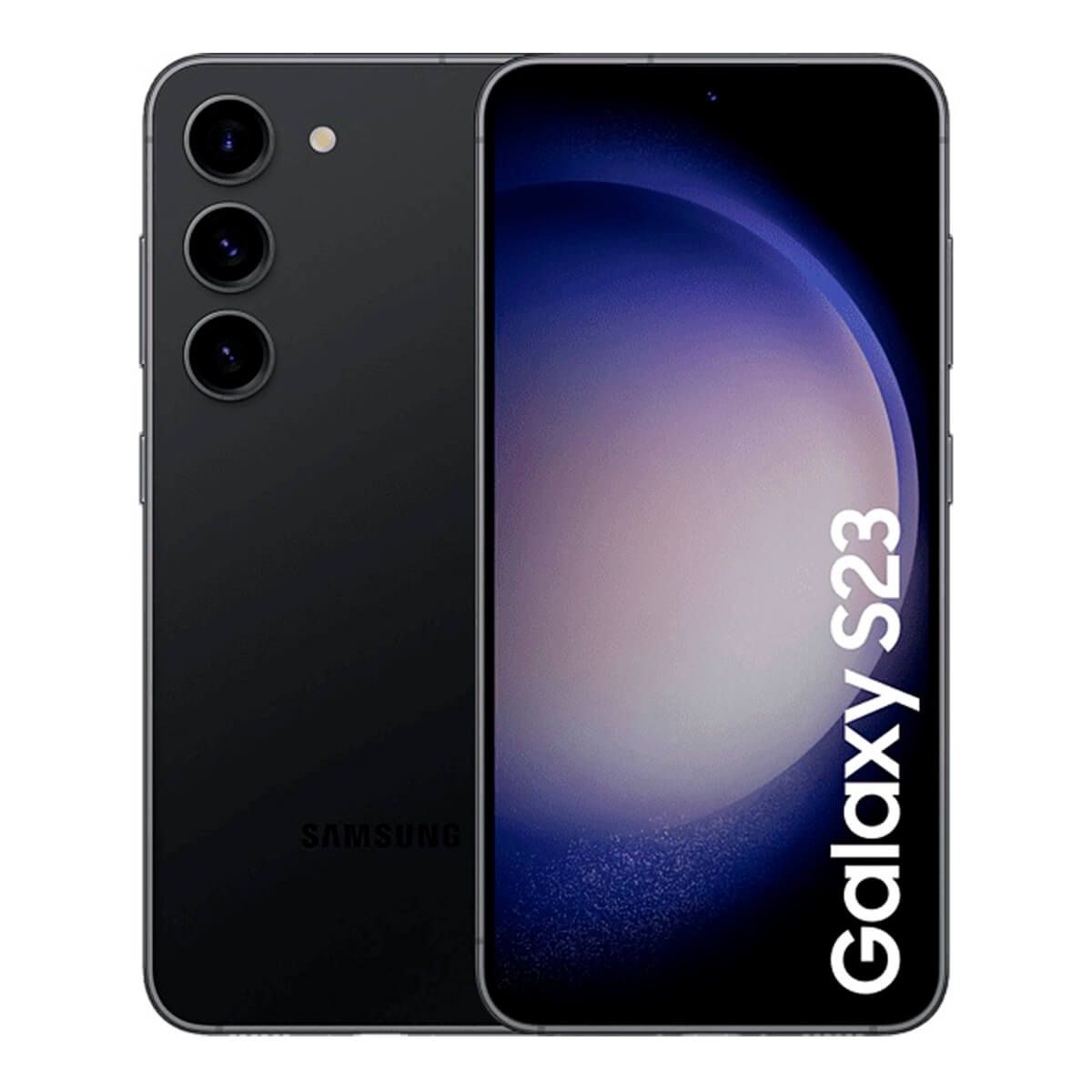
The Samsung Galaxy S II is celebrated not only as a milestone in Samsung’s smartphone lineage but also as a significant turning point in mobile technology. Its introduction marked a shift in both design philosophy and consumer expectations, laying the groundwork for the smartphones we see today. This model redefined what users could expect from their devices, influencing future designs across the industry.
The Galaxy S II introduced several key innovations that became benchmarks in smartphone development. The combination of a powerful dual-core processor, a high-resolution Super AMOLED Plus display, and a lightweight design set new standards for performance and usability. Many of the features introduced with the Galaxy S II, such as NFC connectivity and enhanced camera capabilities, have since become ubiquitous in modern smartphones.
Key Innovations
The innovations presented by the Galaxy S II can be categorized into several influential features that shaped its legacy:
- Super AMOLED Plus Display: This technology provided vibrant colors and deep blacks, significantly enhancing the user experience and setting a trend for future displays.
- Dual-Core Processor: The Exynos 4210 processor delivered exceptional performance, enabling faster multitasking and improved graphics processing, which became a standard expectation in subsequent models.
- Lightweight Design: The slim profile and lightweight construction of the Galaxy S II demonstrated that powerful devices could still be portable and comfortable to use, influencing design aesthetics industry-wide.
- NFC Capability: By introducing Near Field Communication, Samsung paved the way for mobile payments and enhanced connectivity, trends that have continued to evolve.
- Camera Enhancements: With features like 1080p video recording and improved low-light performance, the Galaxy S II set a new bar for smartphone photography, which is now a critical consideration for consumers.
The long-term effects of the Galaxy S II on Samsung’s brand and consumer loyalty are profound. Its success solidified Samsung’s position in the competitive smartphone market, establishing a reputation for innovation and quality. The positive reception among users fostered brand loyalty, leading to a growing ecosystem of devices and services that continue to attract consumers. As a result, Samsung has not only maintained its prominence in the smartphone sector but has also expanded into other technology markets, leveraging the brand equity built on the back of the Galaxy S II’s success. This model serves as a foundational pillar for future generations of smartphones, influencing design, technology, and user expectations for years to come.
Questions and Answers
What year was the samsung galaxy s ii released?
The samsung galaxy s ii was released in 2011.
What is the screen size of the samsung galaxy s ii?
The screen size of the samsung galaxy s ii is 4.3 inches.
Does the samsung galaxy s ii support expandable storage?
Yes, the samsung galaxy s ii supports expandable storage via microSD card.
What operating system does the samsung galaxy s ii run?
The samsung galaxy s ii initially ran on Android 2.3 Gingerbread, later upgradable to Android 4.1 Jelly Bean.
What was the battery capacity of the samsung galaxy s ii?
The battery capacity of the samsung galaxy s ii is 1650 mAh.
The latest advancements in smartphone technology can be seen in the powerful chip iphone , which enhances performance and energy efficiency. This chip is a game-changer for iPhone users, providing smoother multitasking and improved gaming experiences. Meanwhile, the galaxy s 7 continues to impress with its sleek design and robust features, making it a worthy contender in the premium smartphone market.
The cutting-edge chip iphone is at the heart of Apple’s latest devices, elevating the user experience with its speed and efficiency. On the other hand, the galaxy s 7 remains a popular choice for Android users, thanks to its high-quality display and reliable camera performance, proving that both brands offer unique advantages.