Chip iPhone sets the stage for this enthralling narrative, offering readers a glimpse into a story that is rich in detail and brimming with originality from the outset.
In the world of smartphones, the chip architecture plays a crucial role in defining the overall performance and efficiency of devices. This exploration delves into the intricate designs of iPhone chips, particularly the A-series and M-series, while highlighting their key components and how these elements contribute to the seamless user experience that Apple is renowned for.
Chip Architecture in iPhones
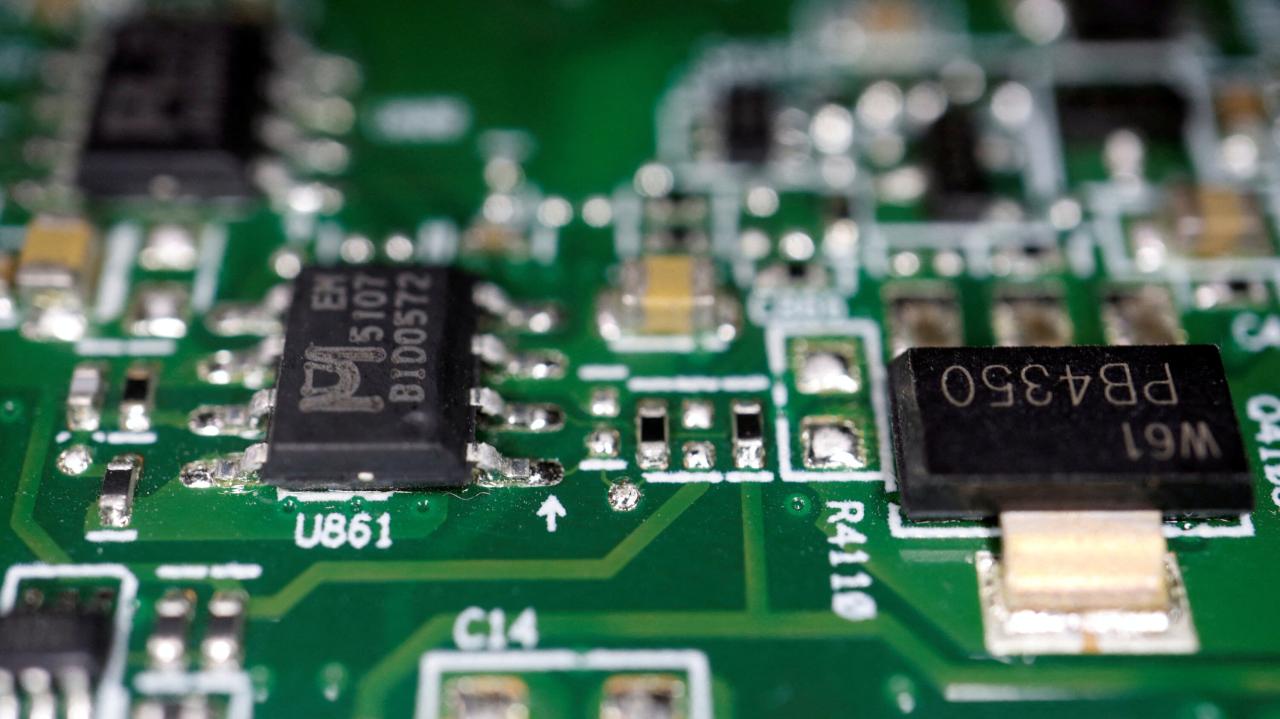
The chip architecture in iPhones represents a combination of advanced engineering and innovative design aimed at optimizing performance and efficiency. Apple’s custom silicon, particularly the A-series and M-series chips, showcases a commitment to pushing the boundaries of mobile computing. Understanding the architecture of these chips provides insight into how Apple creates devices that deliver powerful capabilities while maintaining energy efficiency.
The architecture design of iPhone chips is primarily centered around a system on a chip (SoC) approach, which integrates multiple components into a single chip. This design includes the central processing unit (CPU), graphics processing unit (GPU), neural engine, and other critical components, all working in concert to ensure seamless performance across various tasks. The CPU is responsible for executing instructions and processing data, while the GPU handles graphics rendering, enabling rich visuals in games and applications. Additionally, the neural engine is designed to perform machine learning tasks efficiently, enhancing features such as camera capabilities and voice recognition.
Differences Between A-series and M-series Chips
The A-series and M-series chips serve different functions within Apple’s ecosystem, catering to specific device needs and performance requirements. The A-series chips, such as the A15 and A16 Bionic, are primarily designed for the iPhone and iPad, focusing on high performance for mobile applications. In contrast, the M-series chips, including the M1 and M2, are optimized for the Mac lineup, delivering exceptional performance in more power-hungry environments.
A comparison of the two chip families reveals several key differences:
- Performance Targets: A-series chips are engineered for mobile devices, striking a balance between performance and battery longevity, while M-series chips prioritize high performance and efficiency for computational tasks in laptops and desktops.
- Architecture: The A-series chips utilize a custom architecture tailored for mobile needs, whereas M-series chips leverage a more robust architecture designed to handle intensive applications, including professional software.
- Thermal Management: M-series chips feature advanced thermal management systems, allowing them to sustain higher performance levels over longer durations, unlike A-series chips, which are built to maintain efficiency in the constraints of mobile form factors.
Key Components for Performance and Efficiency
Several key components within iPhone chips contribute significantly to their performance and efficiency. These elements work together to create a cohesive architecture that enhances overall functionality.
The CPU architecture is designed using a high-performance assembly of cores, typically employing a mix of high-efficiency and high-performance cores known as heterogeneous architecture. This allows the chip to allocate tasks optimally, balancing power consumption with processing demands.
“Apple’s custom silicon incorporates a unique blend of performance cores and efficiency cores, ensuring that tasks are handled with minimal energy expenditure.”
The inclusion of the GPU is crucial for tasks requiring graphical rendering, allowing for smooth user experiences during gaming and multimedia consumption. Moreover, the neural engine, dedicated to artificial intelligence functions, handles machine learning tasks efficiently, which is pivotal in tasks such as image processing and augmented reality applications.
An additional aspect of chip design is the unified memory architecture, which enables the CPU, GPU, and neural engine to access a shared pool of memory. This reduces latency and improves the speed of data sharing between different processing units, further enhancing performance while minimizing energy consumption.
In conclusion, the chip architecture in iPhones, characterized by its integration of advanced components and innovative design, plays a fundamental role in delivering high performance and efficiency that define the user experience of Apple devices.
Performance Metrics of iPhone Chips

The performance metrics of iPhone chips serve as a critical indicator of the overall capabilities of Apple’s flagship devices. The advanced chip technology has consistently driven the efficiency, speed, and usability of iPhones, allowing users to experience seamless multitasking, high-quality graphics, and extended battery life. This examination provides an insight into the benchmarks and comparative performance metrics of the latest iPhone chips against their predecessors.
Performance Benchmarks of the Latest iPhone Chips, Chip iphone
The benchmark results for the latest iPhone chips reveal impressive advancements in processing power and efficiency. The A16 Bionic chip, featured in the iPhone 14 Pro models, has demonstrated substantial improvements over the previous A15 chip found in the iPhone 13 series.
The following metrics illustrate this leap in performance:
- CPU Speed: The A16 chip boasts a 6-core CPU with a clock speed reaching up to 3.46 GHz, compared to the A15’s maximum of 3.23 GHz, resulting in a 10-15% increase in CPU performance.
- GPU Performance: The A16 features a 5-core GPU that delivers a performance enhancement of up to 25% over the A15, making it particularly advantageous for graphics-intensive applications and gaming.
- Neural Engine Efficiency: The A16’s 16-core Neural Engine can process up to 17 trillion operations per second, doubling the capabilities of the A15 and enhancing machine learning tasks significantly.
Comparison of Processing Power Across Generations
When comparing the processing power of current models to previous generations, the growth in chip technology becomes clearly evident. The transition from A14 to A15 and now to A16 demonstrates a consistent trend of increasing performance and efficiency.
Key comparisons include:
- A14 Bionic: Introduced in the iPhone 12 series, this chip set the foundation with 5 nm technology, providing a solid performance boost over its predecessors.
- A15 Bionic: Improved upon the A14 with a better GPU and enhanced battery efficiency, achieving a significant performance jump that was noted for its ability to handle complex tasks.
- A16 Bionic: Further optimized for both power and efficiency, the A16 leverages advanced fabrication processes to deliver outstanding improvements, particularly in graphical and computational tasks.
Impact of Chip Technology on Battery Life and Device Usability
The evolution of chip technology has had a profound impact on battery life and overall device usability. As Apple refines its chip designs, there are notable enhancements in energy efficiency that contribute to longer battery life while maintaining high performance levels.
The implications of these advancements include:
- Energy Efficiency: Each successive chip generation has introduced improved energy management, allowing devices to run longer on a single charge without compromising performance. For example, the A16 chip is designed to reduce power consumption by up to 20% during intensive tasks.
- Thermal Management: Enhanced thermal management capabilities in the latest chips prevent overheating, ensuring sustained performance in demanding applications while also preserving battery health.
- User Experience: The seamless performance and extended battery life enable users to engage in resource-heavy applications such as gaming and video editing without the constraints of frequent charging.
“Apple’s chip technology not only drives performance but also redefines usability, ensuring users can rely on their devices throughout the day.”
Manufacturing Process of iPhone Chips: Chip Iphone
The manufacturing process of iPhone chips is a complex and highly sophisticated endeavor that involves several critical stages, from design to final production. These chips are at the heart of Apple’s devices, driving their performance and efficiency. Understanding the intricacies of this process reveals the commitment to innovation and quality that shapes every iPhone.
The fabrication process for iPhone chips primarily occurs in state-of-the-art semiconductor foundries. The journey begins with silicon wafers, which serve as the substrate for chip manufacturing. Each wafer undergoes multiple steps, including photolithography, etching, doping, and metallization. Photolithography employs light to transfer intricate designs onto the wafer, creating the microscopic circuits that will define the chip’s functionality. Following this, etching removes unwanted silicon to form the desired patterns. Doping then introduces impurities in controlled amounts to alter the electrical properties of the silicon, while metallization lays down conductive pathways necessary for the chip’s operation.
Role of Semiconductor Companies in Chip Production
Semiconductor companies play a pivotal role in the production of iPhone chips, facilitating the transition from design to physical chips. These companies are responsible for the actual manufacturing of the chips, often operating under contracts with Apple. Noteworthy among them are TSMC (Taiwan Semiconductor Manufacturing Company) and Samsung, both leaders in advanced semiconductor fabrication.
These firms utilize cutting-edge technologies, such as the 5-nanometer process, which allows for higher transistor density and improved energy efficiency. The capability to produce chips at such advanced nodes is critical for meeting Apple’s performance expectations. The collaboration between Apple and these semiconductor companies involves not just manufacturing but also ongoing research and development to continue miniaturizing chips and enhancing their performance.
Supply Chain Factors Affecting Chip Availability
The availability of iPhone chips is significantly influenced by global supply chain dynamics. Several factors contribute to the fluctuations in chip availability, including geopolitical tensions, raw material shortages, and the surge in demand for consumer electronics.
A vital component of the chip manufacturing process is the sourcing of materials such as silicon, gallium arsenide, and other rare earth elements. Any disruption in the supply of these materials can lead to delays in chip production. Additionally, the COVID-19 pandemic highlighted vulnerabilities in global supply chains, resulting in semiconductor shortages that affected many industries, including smartphones.
Moreover, demand spikes for chips, driven by trends such as the growth of artificial intelligence and the Internet of Things (IoT), can exacerbate shortages. Suppliers may struggle to keep up with the rapid pace of innovation, leading to extended lead times for chip delivery.
In summary, the manufacturing process of iPhone chips encapsulates a blend of advanced technology and intricate supply chain management, essential for delivering the high-performance devices that consumers expect from Apple.
Future Trends in iPhone Chip Development
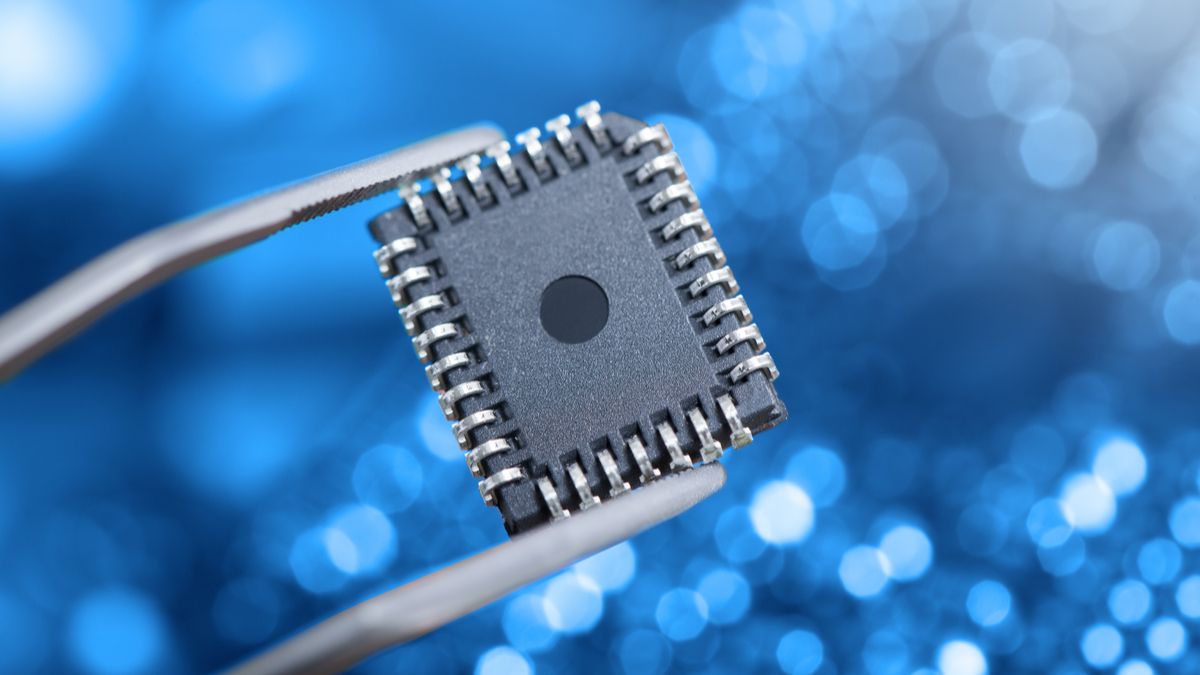
As technology advances, the evolution of iPhone chips is poised to experience groundbreaking changes. Apple’s commitment to innovation suggests that future iPhone chips will not only enhance the performance but also offer unique capabilities that cater to the demands of modern users. The integration of advanced materials and innovative design techniques will play a pivotal role in shaping the next generation of iPhone chips.
The anticipated advancements in chip technology are expected to revolve around improved efficiency, processing power, and integration of emerging technologies. Companies are heavily investing in research to shorten the manufacturing process while enhancing the thermal performance and energy efficiency of chips. This includes potential shifts towards 3nm and even smaller fabrication processes, which promise to deliver more transistors in a smaller area, leading to increased performance and reduced power consumption.
Advancements in Chip Technology
The future landscape of iPhone chip development will prominently feature several key advancements:
- Smaller Process Nodes: Future iPhone chips could be produced using 3nm technology or even smaller, enabling more transistors on a single chip. This would result in significant performance improvements and energy savings.
- 3D Chip Architecture: Implementing 3D stacking techniques will allow multiple chip layers to be integrated, improving performance and efficiency while reducing the physical footprint.
- Advanced Materials: The exploration of new materials, such as graphene, may lead to increased thermal conductivity and electron mobility, enhancing chip performance.
Implications of AI and Machine Learning on Chip Design
The integration of artificial intelligence (AI) and machine learning is set to revolutionize chip design and functionality. Apple is likely to harness these technologies to refine chip architecture, optimize performance, and enhance user experiences.
The following points illustrate the potential impacts:
- Adaptive Performance: Chips could automatically adjust their performance based on the tasks being executed, improving efficiency without compromising user experience.
- Enhanced Security Features: AI algorithms can strengthen security protocols by proactively detecting anomalies and potential threats in real-time.
- Energy Management: Machine learning can enable better energy consumption patterns, enhancing battery life through intelligent resource allocation.
Challenges in Chip Development and Production
As advancements in chip technology unfold, several challenges are expected to impact the development and production processes. These challenges may include:
- Supply Chain Issues: Global semiconductor shortages highlight vulnerabilities in supply chains, impacting the availability of materials and components.
- Increasing Complexity: The shift towards more complex architectures and smaller nodes necessitates advanced manufacturing techniques, which may not be widely available.
- Cost of Innovation: Research and development of cutting-edge chip technologies require significant investment, making it imperative for companies to balance innovation costs with profitability.
Query Resolution
What is the main difference between A-series and M-series chips?
The A-series chips are primarily designed for iPhones and iPads, focusing on high performance for mobile applications, while M-series chips are optimized for more intensive tasks, such as those required in Macs, emphasizing efficiency and power management.
How do iPhone chips impact battery life?
iPhone chips are engineered to maximize performance while minimizing power consumption, thus enhancing battery life by efficiently managing resources during both idle and active states.
What role do semiconductor companies play in iPhone chip manufacturing?
Semiconductor companies are crucial in the design and fabrication of iPhone chips, providing the technology and resources needed to produce the advanced components that Apple integrates into its devices.
What performance benchmarks are iPhone chips achieving?
The latest iPhone chips are consistently outpacing earlier models in benchmarks, demonstrating significant improvements in processing power, graphics capabilities, and overall efficiency compared to their predecessors.
What are the anticipated challenges in future chip production?
Future chip production faces challenges such as supply chain disruptions, evolving technology requirements, and the need for sustainable manufacturing practices, which could impact availability and innovation timelines.
The Samsung Galaxy Note 7 was a remarkable device, known for its stunning display and powerful performance. Despite its initial success, it faced significant challenges due to battery issues that led to recalls. For those curious about its features and legacy, you can delve deeper into the details of the samsung galaxy note 7 and understand its impact on the smartphone market.
As technology advances, the anticipation for the next flagship device grows, and the samsung s 19 is no exception. With rumors swirling about its innovative features and design, fans are eager to see how it will elevate the user experience. This upcoming model is poised to set new standards in the smartphone industry, making it a topic of great interest.