samsung note7 stands as a pivotal chapter in smartphone history, blending innovative features with a tumultuous journey marked by controversy. Launched with high expectations, the Note7 offered impressive specifications, a sleek design, and cutting-edge technology. However, its promising launch quickly spiraled into chaos due to critical battery failures that prompted a global recall, reshaping not just Samsung’s reputation but also consumer trust in tech products.
This exploration delves into the intricate features and specifications of the Samsung Note7, examining its build quality and technological advances that initially captivated users. However, alongside its impressive capabilities, the device’s inherent challenges and resultant controversies will also be unveiled, offering a comprehensive understanding of its impact on the market and beyond.
Overview of Samsung Note7
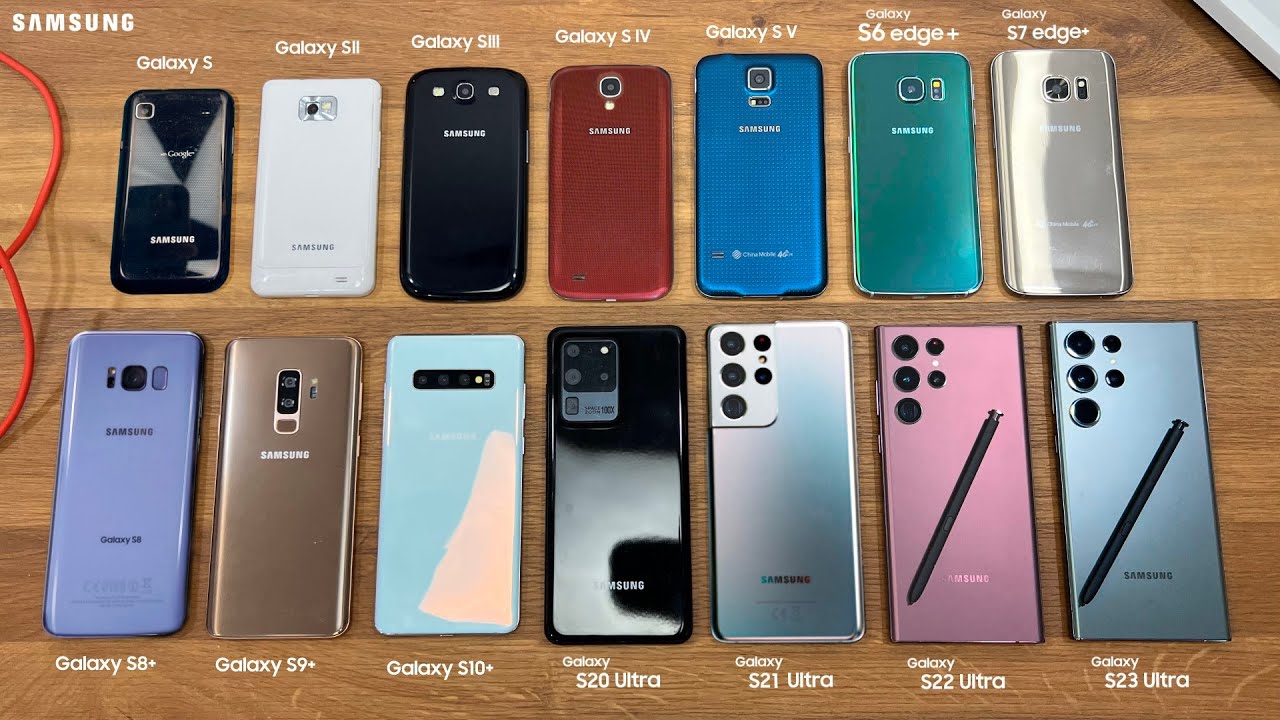
The Samsung Note7 marked a significant advancement in smartphone technology upon its release, combining powerful specifications with a sleek design that appealed to both tech enthusiasts and everyday users. Its features and capabilities set a new standard for phablets during its time, pushing the boundaries of mobile innovation.
The Samsung Note7 is equipped with a 5.7-inch Super AMOLED display that boasts a resolution of 1440 x 2560 pixels, delivering vivid colors and sharp images. Powered by an Exynos 8890 or Snapdragon 820 processor, depending on the region, the device runs smoothly with 4 GB of RAM and offers options of 64 GB or 128 GB of internal storage, expandable via microSD. The camera setup includes a 12 MP rear camera with dual pixel technology for quick focus and a 5 MP front-facing camera for selfies and video calls. Additionally, it features a robust 3,500 mAh battery that supports fast charging and wireless charging capabilities.
Design and Build Quality, Samsung note7
The design of the Samsung Note7 reflects elegance and sophistication, featuring a glass front and back with an aluminum frame, resulting in a premium feel. The device is IP68 certified, meaning it is both dust and water resistant, offering durability that is ideal for everyday use.
The ergonomic edges of the Note7 provide a comfortable grip, while the curved display enhances the viewing experience. The fingerprint scanner integrated into the home button adds a layer of security and accessibility, allowing users to unlock their devices effortlessly. Notably, the stylus, known as the S Pen, has been upgraded with improved responsiveness, making it more precise for note-taking and drawing.
Technological Advancements
The Samsung Note7 introduced several technological advancements that were cutting-edge at the time of its release. One of the key features includes the enhanced S Pen, which is now water-resistant, allowing users to write in any conditions without worry.
Furthermore, the inclusion of HDR video playback capabilities sets the Note7 apart, enabling users to enjoy richer colors and better contrast in videos. The device also came with Samsung’s Knox security platform, providing advanced security features for protecting sensitive information on the device.
The device’s adaptive fast charging technology allows it to charge from 0 to 100% in a significantly reduced time frame compared to its predecessors. The combination of these innovations not only elevated the functionality of the Note7 but also catered to a growing demand for enhanced multimedia experiences and security in mobile devices.
The Samsung Note7 was not just a phone; it was a hub of innovation that redefined what users could expect from a smartphone.
Controversies Surrounding Samsung Note7
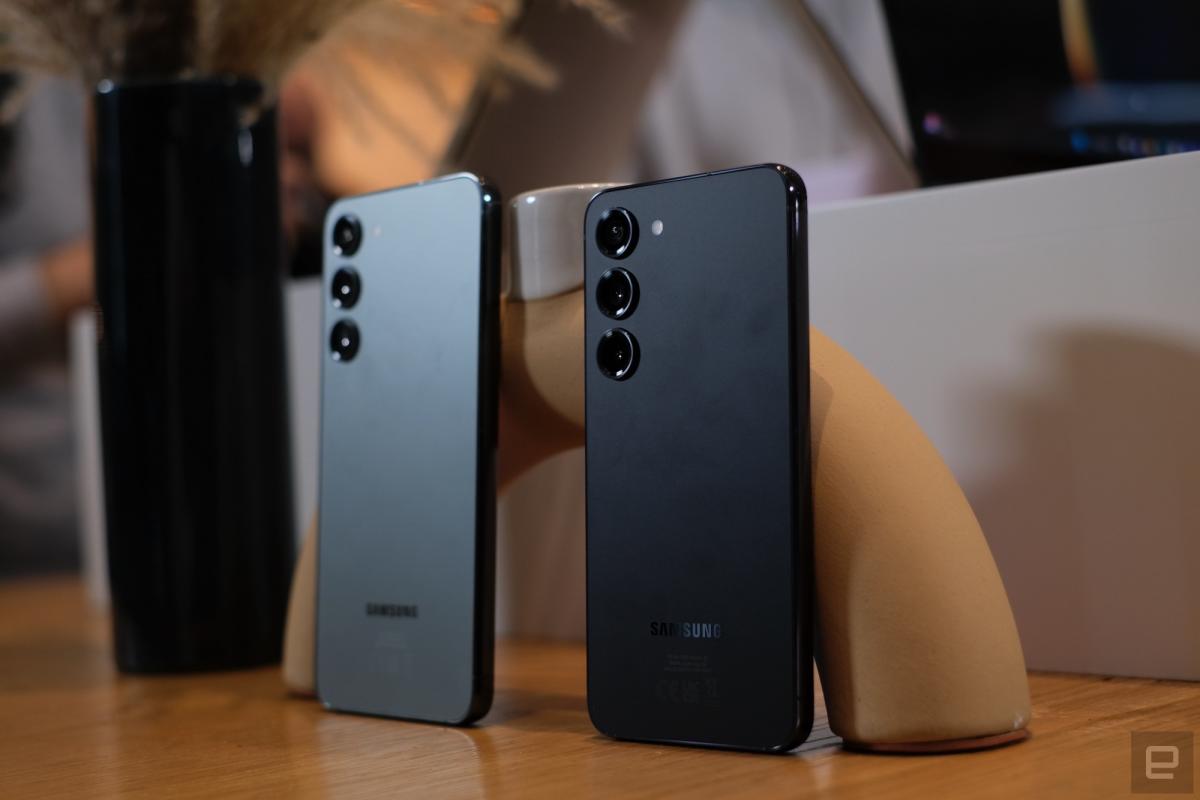
The Samsung Note7, despite being a technological marvel, is predominantly remembered for the significant controversies that marred its reputation. Central to these issues were battery malfunctions that resulted in dangerous situations for users. This segment delves into the battery problems that necessitated a widespread recall, the resulting impact on consumer trust, and a comparative analysis with other smartphone controversies.
Battery Issues and Recall
The battery issues of the Samsung Note7 were primarily attributed to defective lithium-ion batteries, which posed serious safety risks, including spontaneous combustion. Reports surfaced as early as September 2016, when users began to experience overheating and fires.
In response to these alarming incidents, Samsung issued a global recall of approximately 2.5 million units. The company attempted to rectify the problem by replacing the faulty batteries with new ones; however, incidents continued to be reported even after the replacement campaign.
Ultimately, Samsung decided to cease production of the Note7 altogether in October 2016, marking one of the largest tech recalls in history. The company estimated the total financial impact of the Note7 crisis to be around $5.3 billion, illustrating the gravity of the situation.
Impact on Consumer Trust
The fallout from the Samsung Note7 incidents had significant repercussions for consumer trust in the brand. Before the crisis, Samsung had established itself as a powerhouse in the smartphone market, known for innovation and quality. However, the battery issues led to a sharp decline in consumer confidence, as users began to question the safety and reliability of Samsung products.
Surveys conducted post-recall indicated a notable decrease in brand loyalty and a hesitance among consumers to purchase future Samsung devices. The incident not only affected sales of the Note7 but also influenced the perception of other products in Samsung’s portfolio, demonstrating how one significant failure can have a ripple effect across a brand’s entire offering.
“The Samsung Note7 incident serves as a pivotal case study on how product safety can directly impact brand reputation and consumer trust.”
Comparison with Other Smartphone Controversies
The controversies surrounding the Samsung Note7 are not isolated; they resonate within a broader context of smartphone issues. When comparing with other notable incidents, such as Apple’s iPhone 6’s “Bendgate” or Huawei’s recent software concerns, several parallels emerge.
– Bendgate: Triggered discussions regarding the structural integrity of smartphones when subjected to pressure. While it affected a smaller user base, the implications for Apple’s design philosophy were significant, causing the brand to reevaluate its materials and production processes.
– Huawei’s Software Issues: Related to privacy concerns and security vulnerabilities, these controversies have led to governmental scrutiny and a decline in market trust, particularly in Western markets. Unlike Samsung’s battery crisis, which centered on physical safety, Huawei’s issues reflect a different aspect of consumer concern—data security.
Through these comparisons, it becomes evident that while the specifics of each controversy vary, they all underscore the critical importance of quality control and consumer safety in the highly competitive smartphone market. Each incident serves as a reminder of the fragile relationship between technology companies and their customers, where trust is paramount and easily compromised.
Market Response and Sales Impact
The Samsung Note7 faced significant challenges following its recall due to safety concerns. This incident not only affected the brand’s reputation but also had a substantial impact on sales figures, consumer perceptions, and marketing strategies. Analyzing the data surrounding its market response provides insight into how the company navigated this crisis and the subsequent ramifications.
Sales Figures Before and After the Recall
Before the recall, the Samsung Note7 was projected to be a strong competitor in the high-end smartphone market, with impressive pre-release sales figures and positive initial reviews. However, the situation dramatically changed following the recall announcement in September 2016. To understand the impact, consider the following sales timeline and figures:
- Pre-Recall Sales: In the first two weeks of release, Samsung reported selling approximately 1 million units globally.
- Post-Recall Announcement: After the recall, sales plummeted, with estimates suggesting a reduction of up to 30% in market interest.
- Final Sales Data: By the end of the fourth quarter of 2016, Samsung reported a loss of approximately $5.3 billion in operating profit directly related to the Note7 crisis.
This decline in sales not only affected the Note7 but also had a ripple effect on Samsung’s overall smartphone sales during that period.
Marketing Strategies Post-Recall
In the wake of the recall, Samsung implemented a series of strategic marketing initiatives to regain consumer trust and stabilize its market position. These strategies focused on transparency and safety, essential elements in rebuilding the brand’s reputation. The key tactics included:
- Clear Communication: Samsung established a dedicated communication channel to address consumer concerns transparently, outlining the steps taken to resolve the safety issues.
- Promotional Offers: To entice customers back, Samsung offered significant trade-in discounts and incentives for individuals willing to exchange their Note7 for other models.
- Enhanced Safety Features: Samsung highlighted improvements in battery technology and safety measures in subsequent releases, particularly in the Galaxy S8, to assure consumers of their commitment to safety.
These approaches were crucial in attempting to mitigate the damage caused by the Note7’s failure and played an essential role in the launch of future products.
Consumer Reactions and Feedback
The consumer response to the Note7’s failure was mixed, reflecting a range of emotions from disappointment to loyalty. Feedback collected from various surveys and social media platforms illuminated several key points:
- Brand Loyalty: A significant portion of Samsung users remained loyal to the brand, expressing willingness to purchase future models, despite the Note7 incident.
- Safety Concerns: Many consumers raised ongoing concerns regarding smartphone safety, emphasizing the need for stricter quality control measures.
- Negative Perception Growth: The incident resulted in a notable increase in negative sentiment towards Samsung, which the company had to work diligently to overcome.
Consumer feedback highlighted the importance of reliability in technology products, reinforcing that trust plays a critical role in consumer decision-making.
Legacy of Samsung Note7
The Samsung Note7 remains a watershed moment in the smartphone industry, marked by both innovation and a crisis that reverberated well beyond its release. Its legacy is defined not only by its technological advancements but also by the profound implications it had for Samsung’s branding and the industry at large. The incident surrounding the Note7 serves as a crucial case study for understanding risk management and consumer safety in technology.
Long-Term Effects on Samsung’s Branding
The fallout from the Note7 incident had significant ramifications for Samsung’s brand image. Initially celebrated as a market leader, the company’s reputation took a notable hit due to the safety concerns associated with the device. Recovery from this crisis involved extensive efforts in reestablishing consumer trust and transparency. Some key points regarding the long-term effects include:
- Brand Recovery Strategies: Samsung undertook a comprehensive brand recovery strategy, including public apologies and increased consumer communication to rebuild trust.
- Shift in Marketing Focus: The company shifted its marketing focus to highlight safety features and rigorous testing in subsequent models, such as the Galaxy S8 and Note8.
- Consumer Trust Restoration: Implementing the “8-Point Battery Safety Check” became a pivotal component in restoring consumer confidence in future devices.
Lessons Learned in the Tech Industry
The Samsung Note7 incident illuminated critical lessons for the tech industry regarding product safety and crisis management. The implications of these lessons continue to shape corporate practices and consumer expectations today:
- Importance of Testing: Rigorous pre-launch testing protocols, including thorough battery assessments, became paramount to prevent similar incidents.
- Crisis Communication Plans: Companies are encouraged to develop robust crisis communication strategies to address issues promptly and transparently.
- Consumer Safety Prioritization: The focus on consumer safety has led to a more stringent regulatory environment, impacting how devices are designed and marketed.
Influence on Design and Safety Standards
The Note7 incident acted as a catalyst for change in smartphone design and safety standards across the industry. Manufacturers became increasingly aware of the need to integrate safety as a core component of their design philosophy:
- Enhanced Battery Safety: The industry saw a shift towards safer battery technologies, with a focus on thermal management and explosion-proof designs.
- Standardized Testing Protocols: Organizations like the Institute of Electrical and Electronics Engineers (IEEE) have proposed standardized testing protocols to ensure battery safety.
- Consumer Awareness Campaigns: Increased consumer awareness campaigns regarding device safety and warnings have become common practice, emphasizing the importance of adhering to manufacturer guidelines.
The legacy of the Samsung Note7 extends beyond its short-lived existence, shaping the future of smartphone design, safety standards, and branding strategies in the tech industry.
FAQ Resource
What were the key features of the samsung note7?
The samsung note7 featured a 5.7-inch QHD display, a powerful Exynos 8890 processor, 4GB of RAM, and a dual pixel 12MP camera, along with IP68 water and dust resistance.
Why was the samsung note7 recalled?
The samsung note7 was recalled primarily due to battery defects that caused some devices to overheat and catch fire, posing safety risks to users.
How did the samsung note7 controversy affect Samsung’s brand?
The controversy significantly impacted Samsung’s brand reputation, leading to a loss of consumer trust and a reevaluation of their safety protocols in future products.
What lessons did the tech industry learn from the samsung note7 incident?
The tech industry learned the critical importance of rigorous product testing, transparency in communication, and the need for swift action in crisis management.
Was the samsung note7 successful in sales prior to the recall?
Yes, the samsung note7 experienced strong initial sales, with high demand driven by its innovative features before the recall drastically affected its market performance.
The galaxy note 2 made waves with its innovative features when it was released, providing users an enhanced mobile experience. This smartphone introduced the S Pen, allowing for precise navigation and creativity, setting a benchmark for future devices in the Note series.
In contrast, the samsung galaxy note 7 faced significant challenges due to safety concerns, but it also showcased impressive technology. With a stunning display and powerful performance, it was a testament to Samsung’s commitment to innovation, despite the controversies it encountered.